
- Why Choosing the Right Wall Art Matters
- 1. Buying the Wrong Size Artwork
- 2. Ignoring Room Proportions
- 3. Choosing Art That Doesn’t Match Your Interior Style
- 4. Ignoring Color Harmony
- 5. Buying Art Just Because It’s Trendy
- 6. Forgetting About Lighting
- 7. Hanging Art at the Wrong Height
- 8. Overcrowding the Walls
- 9. Not Considering Material Quality
- 10. Ignoring the Purpose of the Room
- 11. Not Personalizing Your Space
- 12. Skipping Measurements Before Buying Online
- 13. Choosing the Wrong Frame
- 14. Forgetting Maintenance Requirements
- 15. Not Thinking Long-Term
- Bonus Tips for Buying Wall Art Like a Pro
- How to Choose the Perfect Wall Art for Your Home
- Why Custom Metal Wall Art Is Gaining Popularity
- Final Thoughts: Buy Wall Art with Confidence
- Conclusion
- FAQ
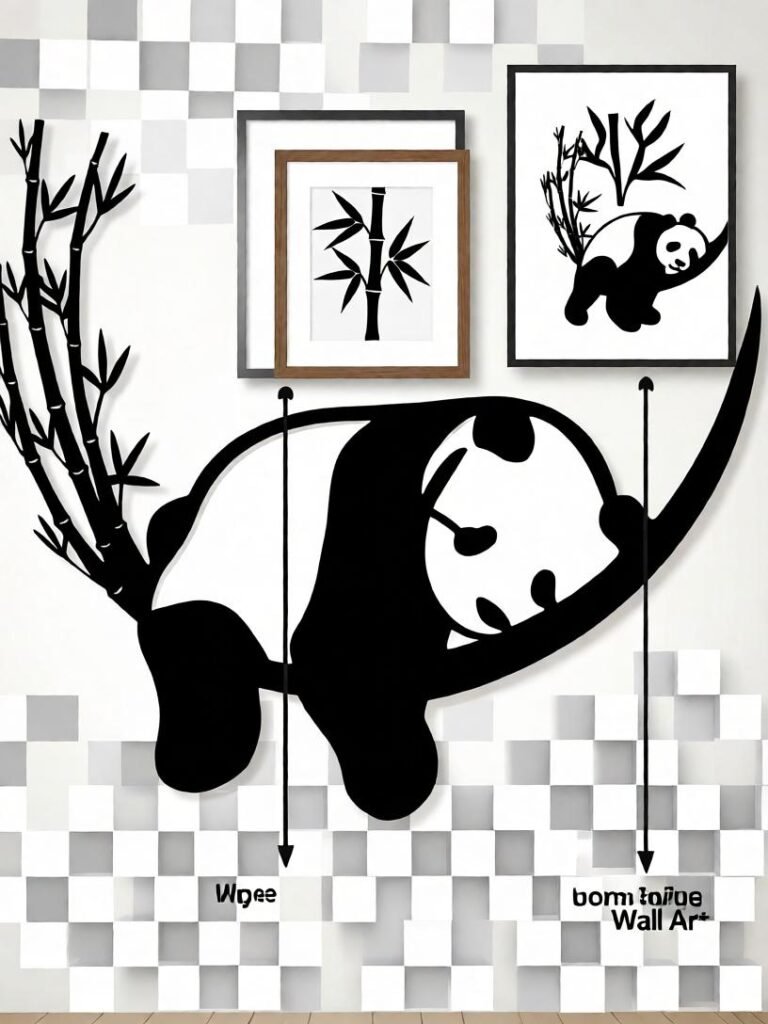
Decorating your home is about more than just filling empty spaces: it’s about expressing your personality, telling your story, and creating an environment that makes you feel unique. Of all the decorative elements, mural art plays a crucial role. It sets the tone of a room, impacts the atmosphere, and instantly transforms plain walls into conversation starters.
But the truth is, many people make costly and frustrating mistakes when purchasing wall art. From choosing the wrong size to overlooking lighting or not matching it to the style of your interior, these mistakes can make even the most beautiful artwork look out of place. Throughout this guide, we’ll look at common mistakes people make when buying wall art and show you how to avoid them. Whether you’re decorating your living room, bedroom, office, or hallway, this guide will help you make confident and stylish choices that will transform your space.
Why Choosing the Right Wall Art Matters
An art mural isn’t just a decoration; it’s a visual element. It can:
• Define a room’s personality
• Add warmth and depth
• Create balance and harmony
• Make even small rooms appear larger
• Reflect your values and lifestyle
If chosen carefully, wall decorations can truly transform an entire interior design. Choosing poorly can alter the aesthetics and waste money. Let’s analyze the most common shopping mistakes and how to avoid them.
1. Buying the Wrong Size Artwork
The biggest mistake people make is choosing artwork that’s too small or too large for their wall.
Problem: Small artwork looks lost and out of place on a large wall. Large artwork looks overwhelming and cluttered in a small space.
How to avoid this:
• Measure your wall before buying.
• Artwork typically takes up 60% to 75% of the wall’s width (excluding furniture).
• If hanging above a sofa or bed, the artwork should be about two-thirds the width of the furniture.
• Leave 15 to 30 cm of space between furniture and artwork. Tip: If you prefer smaller pieces, create a gallery wall instead of hanging a single small painting.
2. Ignoring Room Proportions
Even if the artwork is the right size, if it doesn’t fit the shape of the room, it can look awkward.
Problem: A long, straight piece can feel cramped in a room with low ceilings. The layout of horizontal pieces may not be natural in a narrow hallway.
How to avoid this:
• For tall walls, choose vertical artwork or stacked frames.
• For wide walls, choose panoramic or multi-panel artwork. • Avoid heavy, dark fabrics in small rooms, which can make the space feel smaller. Always step back and think about how the artwork complements the space.
3. Choosing Art That Doesn’t Match Your Interior Style
Your wall art should enhance your interior design theme, not clash with it.
The Problem:
For example, industrial metal art might look out of place in a minimalist, soft Scandinavian space. Similarly, decorative traditional art might look out of place in a modern home.
How to Avoid This:
Identify your interior design style:
• Modern
• Minimalist
• Industrial
• Traditional
• Bohemian
• Contemporary
Then, choose wall art that matches that style. For example, if you own a metal art business like Nix Steel Art, CNC-cut metal wall art looks great in modern and industrial homes, offices, cafes, and commercial spaces.
4. Ignoring Color Harmony
Color coordination is crucial when purchasing wall art.
Problem: Artwork with completely different colors can throw off the balance of a room.
How to avoid this: Try one of these methods:
• Combine one or two colors from your room’s palette.
• Deliberately use different colors for an attention-grabbing focal point.
• Choose neutral artwork for versatility. If your room has beige walls and wooden furniture, warm-tone metal artwork or laser-cut black pieces can create a stylish contrast without clashing.
5. Buying Art Just Because It’s Trendy
Trends change. Your tastes may not.
The problem:
People often buy art because it’s popular on social media—not because they truly like it.
How to avoid this:
Ask yourself:
• Will I still like it in 5 years?
• Does it reflect my personality?
• Does it make sense? Instead of chasing short-term trends, choose timeless pieces or custom designs that tell your story.
6. Forgetting About Lighting
Lighting has a huge impact on the look of wall art.
Problem
Beautiful artwork can appear dull in poor lighting. Shadows can hide details.
How to Avoid This
• Install wall spotlights or LED backlighting.
• Avoid direct glare on glass frames.
• Use warm lighting for cozy spaces.
• Use cool lighting for a modern atmosphere. Backlit metal wall art, especially laser-cut designs, can create stunning shadow effects and enhance the overall ambiance.
7. Hanging Art at the Wrong Height
Height matters more than people realize.
Problem
Art hung too high can seem out of place in the room.
How to Avoid This
• The center of the artwork should be at eye level (about 57–60 inches from the floor).
• When hanging it above furniture, keep it 6–8 inches above the piece.
This simple rule greatly improves visual balance.
8. Overcrowding the Walls
More art doesn’t always mean better design.
The Problem
Cluttered walls create visual clutter and diminish impact.
How to Avoid This
• Leave some space between items.
• Have a theme for gallery walls.
• Avoid filling every empty wall. Remember: Negative space enhances beauty.
9. Not Considering Material Quality
Material choice impacts durability, maintenance, and style.
Problems:
Cheap prints fade. Poor-quality frames warp. Thin metal bends easily.
How to avoid this:
Choose high-quality materials:
• Powder-coated metal
• Solid wood frames
• Premium canvas
• UV-resistant prints Investing in durable materials ensures your wall art remains stunning for years.
10. Ignoring the Purpose of the Room
Each room has a different function and layout.
Problem:
Bright or overly bold art can look odd in a bedroom. Too much abstract art can detract from a living room.
How to avoid this:
• Bedroom: Calm, relaxing, personal art.
• Living room: Exhibits.
• Office: Contemporary abstract movement or art.
• Living room: Beautiful and eye-catching paintings. Choose artwork that matches the mood of the room.
11. Not Personalizing Your Space
Generic artwork can feel impersonal.
Problem:
Mass-produced art lacks character.
How to avoid this:
Consider the following:
• Custom name plates
• Personalized metal art
• Family-inspired designs
• Cultural symbols Custom CNC metal wall art with family names or meaningful quotes creates emotional connection and uniqueness.
12. Skipping Measurements Before Buying Online
Online shopping is easy—but risky without measurements.
The Problem
Many buyers judge the size based on product photos and end up disappointed.
How to Avoid This
• Measure the wall size accurately.
• Use masking tape to mark the size of the artwork on the wall.
• Check the product size carefully. Never rely solely on product photos.
13. Choosing the Wrong Frame
Frames can make or break artwork.
The Problem
Minimalist art doesn’t look the same when framed. Unframed art can look incomplete in traditional spaces.
How to Avoid This
• Match the frame style to the decor.
• Choose thin frames for modern spaces.
• Use wooden frames for warm interiors. • Choose metal frames for industrial themes.
14. Forgetting Maintenance Requirements
Some wall art requires more care than others.
Problems
Canvas accumulates dust. Glass shows fingerprints. Untreated metal can rust.
How to Avoid This
• Choose powder-coated metal for easy cleaning.
• Avoid installing glass in high-traffic areas.
• Use a protective coating for outdoor wall art. Low-maintenance art saves time and money.
15. Not Thinking Long-Term
Your home changes. So should your decor.
Problem:
Buying art that only works with your existing furniture reduces flexibility.
How to avoid this:
Choose pieces that can be changed and moved from room to room or matched with future upgrades. Neutral tones, timeless themes, and custom metal art often offer long-lasting versatility.
Bonus Tips for Buying Wall Art Like a Pro
Here are some expert strategies:
• Always measure twice before buying.
• Visualize using an augmented reality app, if available.
• Mix textures (metal vs. canvas).
• Use large statement pieces in small rooms for a dramatic effect. • Trust your gut—but be practical.
How to Choose the Perfect Wall Art for Your Home
Follow this simple step-by-step process:
1. Measure your wall.
2. Identify your interior style.
3. Determine the mood of the room.
4. Choose the quality of the material.
5. Confirm the size and location.
6. Check the lighting conditions.
7. Ensure the colors match.
8. Personalize if possible. When you follow this checklist, you eliminate almost all common buying mistakes.
Why Custom Metal Wall Art Is Gaining Popularity
Custom metal wall art is becoming increasingly popular because it offers:
• Durability
• Modern appeal
• Low maintenance
• Unique customization
Laser-cut steel designs, name plates, and backlit wall art add depth and personality to both homes and businesses. For homeowners looking for something bold yet elegant, metal art offers both durability and design excellence.
Final Thoughts: Buy Wall Art with Confidence
Buying wall art should be fun—not stressful. Most mistakes happen because people make hasty decisions without measuring, planning, or considering how the piece will fit into the overall design.
By avoiding the common mistakes mentioned above—like the wrong size, poor lighting, mismatched styles, and poor-quality materials—you can turn your walls into powerful design features.
Remember: Wall art isn’t just decoration—it’s self-expression.
Take your time. Measure carefully. Choose high-quality pieces. Personalize when possible. And most importantly, choose pieces that truly connect with you. When done right, perfect wall art doesn’t just fill a wall—it brings life to your entire space.
Conclusion
Choosing wall art is an art in itself. From choosing the right size and material to color coordination and the right placement, every detail matters. By understanding the common mistakes people make when purchasing wall art and learning how to avoid them, you can create a space that’s both visually stunning and emotionally fulfilling.
Invest wisely, personalize thoughtfully, and let your walls tell your story with confidence and style.
FAQ
1. What is the most common mistake people make when buying wall art?
The most common mistake is choosing the wrong size artwork. Many people buy pieces that are too small for their walls, making the space feel unbalanced and incomplete.
2. How do I choose the right size wall art for my space?
Measure your wall and choose artwork that covers approximately 60–75% of the wall’s width. If placing the art above furniture, it should be approximately two-thirds the width of the furniture for proper balance.
3. Should wall art match the room’s color scheme?
Yes, wall art should match the room’s color palette. It doesn’t have to match perfectly, but it should either coordinate or provide a nice contrast that enhances the overall design.
4. Is it better to buy trendy wall art or timeless designs?
Timeless designs are usually a better investment. Trendy wall art can quickly look outdated, while classic pieces remain stylish and adaptable for years.
5. How high should wall art be hung?
Artwork should be hung at eye level, usually about 57–60 inches above the floor. If hanging above furniture, leave 6–8 inches of space between the furniture and the artwork.
6. What type of wall art looks best in a living room?
Large statement pieces, gallery walls, or bold metal wall art look good in a living room. The goal is to create a focal point that draws attention without overwhelming the space.
7. Does lighting affect how wall art looks?
Absolutely. Proper lighting enhances color, texture, and depth. Consider spotlights, LED backlighting, or natural light to best showcase your artwork.
8. How can I avoid buying poor-quality wall art?
Check material details before purchasing. Look for powder-coated metal, solid wood frames, premium canvas, or UV-resistant prints to ensure durability and long-lasting appeal.
9. Is custom wall art a good idea?
Yes, custom wall art adds personality and uniqueness to your space. Personalized metal art, name plates, or custom designs create a meaningful and distinct look.
10. Can wall art make a small room appear larger?
Yes, the right wall art can create the illusion of space. Large statement pieces, vertical designs, and light-colored artwork can make small rooms feel more open and spacious.